
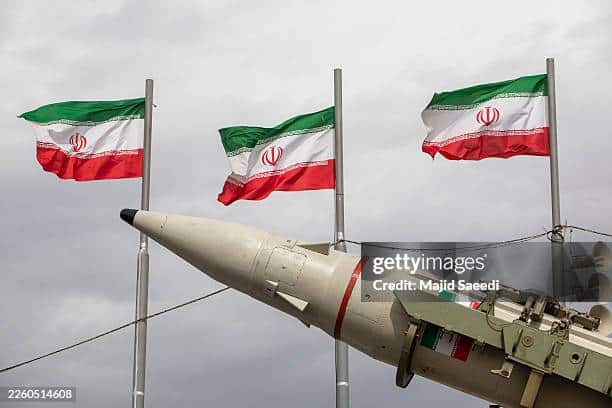
Following devastating Iranian missile and drone strikes on Naval Support Activity Bahrain, the U.S. Navy relocated its primary Middle East logistics hub to the remote British-controlled island of Diego Garcia, stretching the maritime supply chain by 2,200 miles from the Gulf of Oman and straining prolonged carrier deployments like the USS Abraham Lincoln.

The Strategic Logistics Shift Bahrain
The U.S. military’s operational reality in the Middle East changed overnight when regional shore infrastructure came under heavy fire. Decades of built-up supply chains inside the Persian Gulf and the Gulf of Oman became untenable as adversary precision strikes targeted critical nodes.
- The Trigger Event: Iranian missile and drone attacks severely damaged Naval Support Activity Bahrain, the historical home of the U.S. Fifth Fleet.
- The New Hub: Operations pivoted south to the isolated atoll of Diego Garcia in the central Indian Ocean.
- Distance Multiplier: The supply line jumped from a short regional transit to a punishing 2,200-mile (approx. 3,500 km) maritime route.
Impact on Fleet Operations and the USS Abraham Lincoln
Moving a supply base thousands of miles away alters the math of naval endurance. Combat Logistics Force replenishment ships now bear the brunt of ferrying everything from dry provisions to heavy ordnance across vast expanses of open ocean.
- Extended Deployments: Major capital ships, including the USS Abraham Lincoln, crossed the nine-month threshold of continuous deployment.
- Crew Strains: With standard regional liberty ports cut off or out of safe reach, roughly 5,000 sailors and Marines faced prolonged confinement at sea.
- Supply Bottlenecks: Delays affected non-essential stores, fresh rations, and standard hygiene items, highlighting the vulnerability of distant logistics.
- Mission Priorities: Critical assets like aviation fuel and precision-guided munitions remained heavily prioritized and actively supplied via specialized tenders.
The Vulnerability of Remote Outposts
Relying on Diego Garcia provides a deeper oceanic buffer, but it does not render U.S. logistics immune to long-range escalation. Strategic geography dictates that even isolated hubs face emerging threats.
- Long-Range Reach: Adversarial ballistic missile tests have demonstrated the capability to target deep into the central Indian Ocean theater.
- Escort Demands: Surface action groups and escort destroyers require frequent fuel and maintenance checks, complicating transit lanes back to the primary hub.
- Geopolitical Levers: Sovereignty debates and lease discussions surrounding the Chagos Archipelago keep administrative oversight under close watch by global powers.

The Logistics of the 2,200-Mile Ocean Highway
Moving food, oil, and parts across 2,200 miles of ocean is a massive puzzle. The Navy relies on large supply vessels called Combat Logistics Force ships.
- The Fuel Problem: Aircraft carriers and their escort ships burn through millions of gallons of fuel. Supply ships must now make long, slow trips back and forth to Diego Garcia to refill their tanks.
- The Parts Dilemma: When a radar or jet engine breaks, a replacement part used to arrive from Bahrain in hours. Now, it can take days or weeks to get parts across the Indian Ocean.
- The Wear and Tear: Supply ships are running constantly. This constant use means they need more maintenance, which slows down the supply chain even more.
Comparing the Bases: Bahrain vs. Diego Garcia
The shift from Bahrain to Diego Garcia changes how the Navy operates in the Middle East. Each location has unique strengths and weaknesses.
- Bahrain (The Old Hub): Located right inside the Persian Gulf. It offered quick access to hot spots, built-up shipyards, and easy flights for supplies. However, it sits too close to adversary missile launchers.
- Diego Garcia (The New Hub): Located in the middle of the Indian Ocean. It is far away from most regional missile threats, making it a safe harbor. However, its extreme isolation makes quick supply runs impossible.
What This Means for Global Trade and Security
The U.S. Navy protects the world’s most important shipping lanes, like the Strait of Hormuz and the Bab el-Mandeb. Moving the supply network further away impacts global security.
- Slower Reaction Times: If pirates or hostile nations attack commercial oil tankers, U.S. warships may take longer to respond if they are low on fuel or supplies.
- Higher Costs: Keeping a fleet supplied over thousands of miles costs millions of extra dollars in fuel and shipping fees.
- Power Vacuum: With U.S. forces stretched thin, other global powers like China or Russia may try to increase their naval presence in the region.

The Future of Navy Logistics
The crisis in the Gulf is forcing the military to rethink how it fights and survives. Relying on big, permanent bases on land may be a thing of the past.
- Mobile Sea Bases: The Navy is looking at large platforms that float in safe waters to act as moving supply docks.
- Distributed Logistics: Instead of putting all supplies in one spot like Diego Garcia, the Navy wants to spread goods across many smaller, hidden locations.
- Drones for Delivery: The military is testing large cargo drones to fly parts and medicine from distant hubs directly to ships at sea.


