
Potato Chips and Salmonella: What You Need to Know
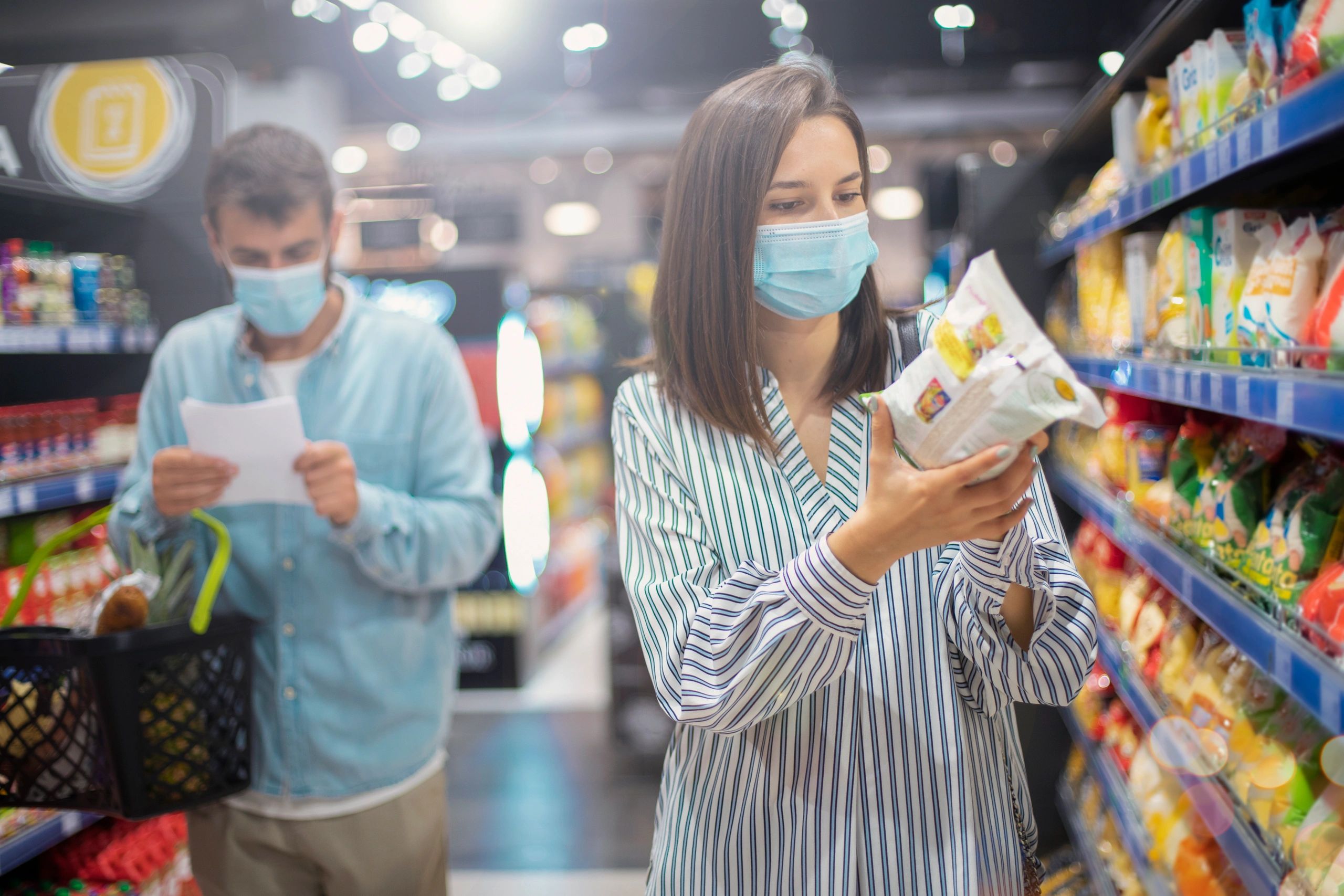
You Never Think It Could Happen—Until It Does
Imagine buying a bag of your favorite potato chips, only to later discover it’s part of a nationwide recall due to potential Salmonella contamination. What seemed like an impossible scenario is becoming all too real for consumers across the U.S., with recent food safety alerts now extending beyond fresh produce and deli meats to include shelf-stable snack foods. While potato chips aren’t traditionally seen as high-risk, changes in manufacturing processes, ingredient sourcing, and supply chain complexity have introduced new vulnerabilities in what many consider a low-moisture, safe-for-snacking staple.
This emerging concern isn’t isolated to one brand or region—it’s a nationwide issue raising red flags for food safety regulators and consumer advocacy groups alike. The reality is, Salmonella can survive in dry environments, and contamination can occur during processing, packaging, or through shared equipment lines. For consumers in cities like Durham, NC, and beyond, this means staying vigilant isn’t just about checking expiration dates—it’s about understanding where your food comes from and how it’s made.
In this post, you’ll learn the science behind how pathogens like Salmonella can persist in low-moisture foods, how to identify warning signs in product recalls, and practical steps to protect your household—from checking lot numbers to recognizing subtle symptoms of foodborne illness. You’ll also get guidance on how to stay informed through official channels, what to do if you’ve purchased a recalled item, and how to safely dispose of contaminated products. The snack aisle may look the same, but the rules for safe shopping have changed—and knowledge is your first line of defense.

How Salmonella Can Enter the Potato Chip Production Chain
While potato chips are typically associated with crunch and flavor, few consider the food safety risks that could arise during manufacturing. Though rare, Salmonella contamination can occur at multiple points along the production line, particularly when raw ingredients, equipment, or human handling introduce pathogens. The primary risk lies not in the potatoes themselves—which are low-risk—but in cross-contamination from other sources within a shared or inadequately sanitized facility.
Processing plants that handle multiple food products, especially those involving eggs, dairy, or raw meats, increase the potential for Salmonella transfer if cleaning protocols between production runs are insufficient. Even trace residues on conveyors, slicers, or fryer systems can jeopardize the safety of otherwise safe ingredients. Furthermore, improper storage of raw materials or packaging near contaminated zones may expose chips post-cooking but pre-packaging.
Employee hygiene practices also play a critical role. Inadequate handwashing, improper use of gloves, or unsanitary footwear can introduce bacteria into production areas. Facilities must follow strict Good Manufacturing Practices (GMPs) and implement Hazard Analysis and Critical Control Point (HACCP) systems to identify and mitigate contamination risks at every stage—including ingredient sourcing, cooking temperatures, and final packaging.
Consumers in Durham, NC, and beyond should understand that thorough cooking kills Salmonella, but lapses after cooking—like contaminated packaging lines or poor facility hygiene—are where risks persist. Always check for recalls and choose brands committed to transparency and food safety standards.
Know the Signs: 7 Key Symptoms and Risk Groups for Salmonella Exposure
Salmonella infection, while often linked to undercooked poultry or contaminated produce, can also stem from unexpected sources like potato chips if cross-contamination occurs during processing. Recognizing the symptoms early and understanding who’s most vulnerable can help prevent serious complications.
- Sudden Gastrointestinal Distress
The most common early sign is abdominal cramping and sudden onset diarrhea, typically appearing 6 to 48 hours after exposure. This can lead to rapid dehydration, especially in children and older adults. - Persistent Fever and Chills
A fever often accompanies gastrointestinal symptoms, usually moderate (100.4°F–102.2°F) but persistent. Chills and fatigue may signal the body’s immune response ramping up. - Nausea and Vomiting
Many individuals experience nausea, which can progress to vomiting—especially in younger populations. This worsens dehydration risk and may require medical monitoring. - Headaches and Muscle Aches
Systemic inflammation can trigger headaches and generalized muscle pain, often mistaken for flu-like symptoms. This combination with GI issues should prompt consideration of foodborne illness. - Blood in Stool
In more severe cases, inflammation of the intestinal lining may cause bloody diarrhea. This requires prompt medical evaluation to rule out complications like reactive arthritis or sepsis. - High-Risk Groups: Infants and Elderly Adults
Due to weaker immune systems, infants and seniors are more likely to experience prolonged illness or hospitalization. Hydration and early care are critical for these populations. - Immunocompromised and Chronic Illness Patients
Those with conditions like diabetes, HIV, or undergoing chemotherapy face higher risks of bacteremia—when Salmonella enters the bloodstream. Vigilance with food safety is essential.
Protect Yourself: Proactive Steps to Reduce Food Safety Risks at Home
When it comes to preventing foodborne illness like salmonella, especially in widely consumed snacks such as potato chips, consumers play a critical role in maintaining safety from store to table. While manufacturers follow strict production protocols, your actions after purchase can make all the difference in minimizing risk.
- Check for Recalls Regularly
Set up alerts or visit your local health department’s website to stay informed about active food recalls. If you’ve purchased a recalled product, dispose of it immediately or return it to the place of purchase for a refund. Don’t wait—act fast to avoid cross-contamination. - Inspect Packaging Before Buying
Always examine sealed bags for tears, swelling, or moisture. These could indicate contamination or compromised integrity. Avoid any product that appears damaged, even slightly. - Store Snacks Properly at Home
Keep potato chips and similar packaged foods in a cool, dry pantry away from heat sources. Never store near raw meats or seafood to prevent pathogen transfer. - Practice Smart Pantry Hygiene
Wash hands before and after handling snack foods. Use clean utensils when serving from shared bags, and avoid double-dipping to reduce bacterial spread. - Follow “Best By” Dates, Not Just “Sell By”
While not always a direct food safety indicator, the “best by” date helps ensure freshness and quality. Discard expired items, especially if opened or exposed to humidity.

Staying informed and vigilant protects your household and supports broader food safety awareness across your community.
Can Cooking Kill Salmonella in Potato Chips? Your Top Food Safety Questions Answered
Does frying or baking destroy salmonella in potato chips?
Yes, proper heat treatment during commercial chip production effectively kills salmonella. The frying or baking process typically reaches temperatures above 160°F (71°C), well beyond the 140°F (60°C) threshold needed to inactivate the bacteria. However, this only applies if time and temperature controls are strictly followed throughout manufacturing.
Could salmonella ever be present in finished chips?
While the cooking process eliminates the pathogen, contamination can occur after frying if post-processing handling is unsanitary. Cross-contact from equipment, poor hygiene, or exposure to contaminated ingredients in facilities—especially those processing raw potatoes or spices—can reintroduce salmonella.
How do food safety agencies monitor chip production?
Regulatory bodies like the FDA require food manufacturers to follow Current Good Manufacturing Practices (cGMPs) and conduct Hazard Analysis and Critical Control Point (HACCP) evaluations. These frameworks identify where contamination risks exist and enforce strict sanitation, employee training, and environmental monitoring—particularly in facilities in states like North Carolina with high snack food production.
What role does raw potato sourcing play?
Salmonella typically originates in soil or water, meaning raw potatoes can carry the bacteria before processing. Reputable producers test incoming produce and use antimicrobial rinses to reduce microbial load before slicing and frying.
Are homemade chips as safe as store-bought ones?
When making chips at home, ensure potatoes are thoroughly sliced and cooked to a uniform crisp—undercooked or uneven chips may not reach lethal temperatures throughout. Use food thermometers to verify internal temperatures exceed 160°F.
What should consumers watch for during recalls?
Stay alert to public health alerts issued via local news and agency websites. Recalls usually stem from facility-level contamination, not the cooking process itself. If a brand announces a salmonella-related recall, discontinue use immediately—even if chips appear normal.
How can I reduce risk when storing and serving chips?
Always store in sealed containers away from raw foods. Avoid using the same utensils for raw ingredients and finished snacks to prevent cross-contamination in home or commercial kitchens.
Stay Informed, Stay Safe: Your Role in Everyday Food Safety
Food safety is a shared responsibility—between producers, regulators, and consumers. While incidents like salmonella contamination in unexpected items such as potato chips are rare, they underscore the importance of vigilance at every stage of the food journey. Staying informed doesn’t mean reacting to every headline with alarm; it means understanding how to assess risk, recognize credible sources, and take practical steps to protect your household. Knowing how to interpret recall notices, where to find updates from trusted public health authorities, and how to store and handle pantry staples properly can make all the difference.
Here’s what you can do:
- Check recall lists regularly through official channels, especially if you’ve purchased items from national brands distributed across regions like North Carolina or other states.
- Practice smart pantry management—rotate stock, check expiration dates, and store dry goods in sealed containers away from humidity and pests.
- Wash hands and surfaces even when handling packaged snacks; cross-contact can occur during preparation or serving.
Your awareness shapes your safety. By integrating these habits, you’re not only protecting your family but also supporting broader industry accountability. For ongoing peace of mind, consider subscribing to food safety alerts or bookmarking authoritative resources on your browser. Knowledge isn’t just power—it’s prevention. Take action today to stay one step ahead.

