
LinkedIn Prospecting: How to Generate B2B Leads Without Being Spammy

This is about sourcing leads through LinkedIn, which works great for B2B companies. LinkEnd enables you to reach out to business owners, founders, managers, executives, and decision-makers directly. However, it’s not enough just to send connection requests and sales messages. Sending the same message to each prospect can make your outreach feel like spam. A key to making effective LinkedIn prospecting is identifying the right people, understanding their specific needs, and providing valuable information that builds mutual trust. Using human conversation instead of a sales pitch will get you more replies from prospects when approaching them.

Understanding the Importance of LinkedIn Prospecting B2B Leads

LinkedIn is a serious social network about work. People talk about their careers, businesses, and industries here. This becomes less of a pain point for B2B businesses to discover more relevant prospects. You can also find customers through title, industry, company, region (state), and wide-ranging job experience. This also means that you are emailing people who are genuinely interested in your service or product rather than random emails. LinkedIn prospecting is great because it allows you to research the business before reaching out.

Make Your LinkedIn Profile Professional

When you send a message to a prospect, there is a good possibility that they will look up your LinkedIn profile. A mysterious or incomplete profile will lose the prospect’s trust. Make your profile unique: use an easy-to-understand picture, a functional headline, and a powerful About section. Explain thoroughly your experiences, skills, projects, and related achievements. Also share some valuable industry-relevant content. As soon as a prospect visits your profile, they should immediately know what you do & what types of companies you can help.

Apply Professional Profile Photo

Apply Professional Profile Photo

The profile photo on your LinkedIn account should be clear and professional. Your photos should match the way you communicate professionally. When a blurry, casual photo is presented to prospects, it often reflects poorly on you. A quality photo makes a profile look legitimate and reliable.

Strong Headline Written

Use the headline to convey what services you offer. The headline should include your main skills and clients. Use simple and relevant words so that the profile is understood by all. A compelling headline provides a relevant snapshot of your work to the prospect.

Improve the About Section

Make sure you clearly define your experience and expertise in the About section. Describe how you can help businesses. Now you can write your major skills, services, and accomplishments naturally. Make this section extremely simplistic so that the prospect can read through it easily.

Share relevant content

Post a good amount of content on LinkedIn in your industry to share. If you have expertise, then tips and insights can be a great way to showcase your knowledge. Content written consistently gives a professional touch to your profile.

Share Helpful Content

Generate content on frequently asked questions of your audience. So share some simple tips, trends in your industry, actionable insights, or a guide to solving a problem. Such content trains potential clients and helps you sound like an expert professional. They will potentially think of you when they need the services that you provide in the future.

Qualify LinkedIn Leads
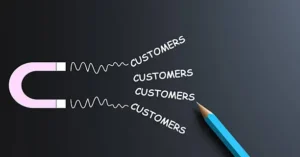
Qualify LinkedIn Leads

One thing that you can probably see on your own and already know, but is clarified during an onboarding process, is that not every connection becomes a qualified lead. There are others who just connect for a professional network, while, hhowever there are few that actually want a resolution for your business. When qualifying leads, look at the potential buyer’s function, company name & sector/business problem interest then. Gather this information casually in conversation. That is going to give you an insight into what prospects might turn into real deals.

Save Time and Effort

Saving you time and effort by having a narrowed-down approach, targeting only the leads you want to focus on rather than shooting off a message to every connection.

Understand Buying Interest

By analyzing the questions and responses raised by the prospect, you can get a better picture of whether they are actually interested in buying or not.

Better Conversations Build 

The conversation is even more relevant and significant when you understand the industry in which your prospect operates their business and how they might be having some trouble with it.

Conversion Chances Increase 

Qualify prospects to make it easier to turn them into customers

Unqualified Leads Avoid 

Lead qualification prevents you from wasting time on connections that don’t suit your needs or services.

Better Sales Results 

Your LinkedIn prospecting strategy will be sharper when you target the right prospects, and this should subsequently translate into more significant sales results overall.

Target the Right Prospects

  • Clearly identify your customer first.
  • Conduct deep research on the company and job role of your prospect.
  • Check out their latest blog posts and their business engagements as well. This connection request should be succinct and personalized.
  • Concentrate on the challenges and needs of the prospect.
  • Most importantly, give something useful.
  • Be respectful with your follow-up and do not send pointless messages.

Key Points For Successful LinkedIn Outreach

Thus, you should never think of LinkedIn outreach as a sales tool. Firstly, you should develop a relationship and offer the prospect relevant information. The prospect will know that you understand their problem, which is the only way to move into a follow-up conversation.

Create a Consistent Prospecting Routine

Key Points For Successful LinkedIn Outreach

Instead, have a daily schedule that is realistic. Discover leads, examine profiles, interact on pertinent content, initiate connection requests, and revisit old conversations. Continuous activity can keep your sales pipeline live.

Long-Term Relationships Build Karein

Onboarding a prospect to become a customer is hardly ever an instantaneous thing. Today they may not require your services, but at a later stage, their needs might be different. Thus, think of LinkedIn prospecting as a long game that is more about building relationships than generating sales. Provide useful information to each side and keep in touch in terms of business. And, when a prospect needs your services in the future, they will remember you.

Common LinkedIn Prospecting Mistakes

However, some common pitfalls when prospecting on LinkedIn can be detrimental to the results. From: Generic copy-paste messages To: Aggressive sales pitches To: Overachieving follow-ups To: Insufficient targeting These are the four non-redeemable sins of LinkedIn. Over-indexing on connections and ignoring lead quality. 

How to transform connections into leads?

A LinkedIn connection icon is a two-second framing device. When the connection is made, it can be a simple but real conversation. Get the prospect’s business & questions about their problems. If your services align with the needs of the prospect, the solutions you discuss are relevant. If the interest is established, propose further actions. Do not put pressure on this process; instead, follow the prospect’s interests.

Key Points

  • Consider each LinkedIn connection as a possible lead instead of just a contact.
  • After receiving an acceptance, initiate a casual conversation.
  • Do your best to familiarize yourself with the prospect’s business and about it.
  • Identify his/her needs through open-ended questions.
  • Listen actively and learn the prospect’s pain points and their problem.
  • Fifth, what need will your service meet (based on the prospect)
  • As soon as you sense interest in a book, suggest the relevant next step.
  • Build warm relationships of trust that will not put them under sales pressure.

Final Thoughts

LinkedIn prospecting is an effective way to generate quality & relevant leads for B2B businesses, but the number of messages doesn’t only play a vital role in success. Those tasks include selecting the right prospect, doing prospect research, writing personalized outreach, and building authentic relationships. Rather than going straight for the sale with a prospect, learn about their needs and pain points. Offer valuable content, stay professional, and make follow-ups polite. Don’t go for mass messaging and too much automation, as it can make outreach look spammy. Monitor your results consistently and optimize those strategies for higher performance. Stronger relationships with prospects will be built when LinkedIn outreach actually feels helpful, relevant, and human. This approach can practically turn LinkedIn from a pure networking platform into one of the strongest B2B lead generation channels.

 

This is about sourcing leads through LinkedIn, which works great for B2B companies. LinkEnd enables you to reach out to business owners, founders, managers, executives, and decision-makers directly. However, it’s not enough just to send connection requests and sales messages. Sending the same message to each prospect can make your outreach feel like spam. A key to making effective LinkedIn prospecting is identifying the right people, understanding their specific needs, and providing valuable information that builds mutual trust. Using human conversation instead of a sales pitch will get you more replies from prospects when approaching them.

Understanding the Importance of LinkedIn Prospecting B2B Leads

LinkedIn is a serious social network about work. People talk about their careers, businesses, and industries here. This becomes less of a pain point for B2B businesses to discover more relevant prospects. You can also find customers through title, industry, company, region (state), and wide-ranging job experience. This also means that you are emailing people who are genuinely interested in your service or product rather than random emails. LinkedIn prospecting is great because it allows you to research the business before reaching out.

Make Your LinkedIn Profile Professional

When you send a message to a prospect, there is a good possibility that they will look up your LinkedIn profile. A mysterious or incomplete profile will lose the prospect’s trust. Make your profile unique: use an easy-to-understand picture, a functional headline, and a powerful About section. Explain thoroughly your experiences, skills, projects, and related achievements. Also share some valuable industry-relevant content. As soon as a prospect visits your profile, they should immediately know what you do & what types of companies you can help.

Apply Professional Profile Photo

Apply Professional Profile Photo

The profile photo on your LinkedIn account should be clear and professional. Your photos should match the way you communicate professionally. When a blurry, casual photo is presented to prospects, it often reflects poorly on you. A quality photo makes a profile look legitimate and reliable.

Strong Headline Written

Use the headline to convey what services you offer. The headline should include your main skills and clients. Use simple and relevant words so that the profile is understood by all. A compelling headline provides a relevant snapshot of your work to the prospect.

Improve the About Section

Make sure you clearly define your experience and expertise in the About section. Describe how you can help businesses. Now you can write your major skills, services, and accomplishments naturally. Make this section extremely simplistic so that the prospect can read through it easily.

Share relevant content

Post a good amount of content on LinkedIn in your industry to share. If you have expertise, then tips and insights can be a great way to showcase your knowledge. Content written consistently gives a professional touch to your profile.

Share Helpful Content

Generate content on frequently asked questions of your audience. So share some simple tips, trends in your industry, actionable insights, or a guide to solving a problem. Such content trains potential clients and helps you sound like an expert professional. They will potentially think of you when they need the services that you provide in the future.

Qualify LinkedIn Leads

Qualify LinkedIn Leads

One thing that you can probably see on your own and already know, but is clarified during an onboarding process, is that not every connection becomes a qualified lead. There are others who just connect for a professional network, while, hhowever there are few that actually want a resolution for your business. When qualifying leads, look at the potential buyer’s function, company name & sector/business problem interest then. Gather this information casually in conversation. That is going to give you an insight into what prospects might turn into real deals.

Save Time and Effort

Saving you time and effort by having a narrowed-down approach, targeting only the leads you want to focus on rather than shooting off a message to every connection.

Understand Buying Interest

By analyzing the questions and responses raised by the prospect, you can get a better picture of whether they are actually interested in buying or not.

Better Conversations Build 

The conversation is even more relevant and significant when you understand the industry in which your prospect operates their business and how they might be having some trouble with it.

Conversion Chances Increase 

Qualify prospects to make it easier to turn them into customers

Unqualified Leads Avoid 

Lead qualification prevents you from wasting time on connections that don’t suit your needs or services.

Better Sales Results 

Your LinkedIn prospecting strategy will be sharper when you target the right prospects, and this should subsequently translate into more significant sales results overall.

Target the Right Prospects

  • Clearly identify your customer first.
  • Conduct deep research on the company and job role of your prospect.
  • Check out their latest blog posts and their business engagements as well. This connection request should be succinct and personalized.
  • Concentrate on the challenges and needs of the prospect.
  • Most importantly, give something useful.
  • Be respectful with your follow-up and do not send pointless messages.

Key Points For Successful LinkedIn Outreach

Thus, you should never think of LinkedIn outreach as a sales tool. Firstly, you should develop a relationship and offer the prospect relevant information. The prospect will know that you understand their problem, which is the only way to move into a follow-up conversation.

Create a Consistent Prospecting Routine

Key Points For Successful LinkedIn Outreach

Instead, have a daily schedule that is realistic. Discover leads, examine profiles, interact on pertinent content, initiate connection requests, and revisit old conversations. Continuous activity can keep your sales pipeline live.

Long-Term Relationships Build Karein

Onboarding a prospect to become a customer is hardly ever an instantaneous thing. Today they may not require your services, but at a later stage, their needs might be different. Thus, think of LinkedIn prospecting as a long game that is more about building relationships than generating sales. Provide useful information to each side and keep in touch in terms of business. And, when a prospect needs your services in the future, they will remember you.

Common LinkedIn Prospecting Mistakes

However, some common pitfalls when prospecting on LinkedIn can be detrimental to the results. From: Generic copy-paste messages To: Aggressive sales pitches To: Overachieving follow-ups To: Insufficient targeting These are the four non-redeemable sins of LinkedIn. Over-indexing on connections and ignoring lead quality. 

How to transform connections into leads?

A LinkedIn connection icon is a two-second framing device. When the connection is made, it can be a simple but real conversation. Get the prospect’s business & questions about their problems. If your services align with the needs of the prospect, the solutions you discuss are relevant. If the interest is established, propose further actions. Do not put pressure on this process; instead, follow the prospect’s interests.

Key Points

  • Consider each LinkedIn connection as a possible lead instead of just a contact.
  • After receiving an acceptance, initiate a casual conversation.
  • Do your best to familiarize yourself with the prospect’s business and about it.
  • Identify his/her needs through open-ended questions.
  • Listen actively and learn the prospect’s pain points and their problem.
  • Fifth, what need will your service meet (based on the prospect)
  • As soon as you sense interest in a book, suggest the relevant next step.
  • Build warm relationships of trust that will not put them under sales pressure.

Final Thoughts

LinkedIn prospecting is an effective way to generate quality & relevant leads for B2B businesses, but the number of messages doesn’t only play a vital role in success. Those tasks include selecting the right prospect, doing prospect research, writing personalized outreach, and building authentic relationships. Rather than going straight for the sale with a prospect, learn about their needs and pain points. Offer valuable content, stay professional, and make follow-ups polite. Don’t go for mass messaging and too much automation, as it can make outreach look spammy. Monitor your results consistently and optimize those strategies for higher performance. Stronger relationships with prospects will be built when LinkedIn outreach actually feels helpful, relevant, and human. This approach can practically turn LinkedIn from a pure networking platform into one of the strongest B2B lead generation channels.


More from author

LEAVE A REPLY

Please enter your comment!
Please enter your name here

Related posts

Advertisment spot_img

Latest posts

Top Tips for Boosting Instagram Engagement Proven 2

Top Tips for Boosting Instagram Engagement Proven 2 Ignite Your Instagram Success Instagram engagement is the lifeblood of a thriving online presence, unlocking opportunities for brands...

The Mistake— Avoidance: “5 Common CRM Mistakes That Cost You Sales”

CRM software is very helpful in managing the sales process. It organizes customer information. Helps you track sales activity as well. Some companies enter...

See Impact Of AI On Work

The Rise of the Smart Colleague: Understanding the True Impact of AI on Work The conversation around Artificial Intelligence (AI) has officially shifted from science...

Want to stay up to date with the latest news?

We would love to hear from you! Please fill in your details and we will stay in touch. It's that simple!