
Best Lead Generation System for 2027: Top Tools & Strategies

The best lead generation system for most businesses in 2026 is a multi-channel automated funnel that pairs inbound content marketing with AI-driven outbound prospecting. While software tools form the backbone of this strategy, a truly successful system combines data collection, lead nurturing, and seamless customer relationship management (CRM) integration to turn cold traffic into qualified buyers.
Choosing the right approach depends on your target audience, industry, and budget. This guide breaks down the top systems, essential features, and step-by-step strategies to build a high-converting machine.
Optimize Your Website for Leads Blogging B2B Instagram Meta AILead generation
Optimize Your Website for Leads Blogging B2B Instagram Meta AI
Lead generation
What is a Lead Generation System?
A lead generation system is a structured framework that attracts prospective customers and captures their contact information. It is not just a single tool. It is an interconnected ecosystem of marketing channels, landing pages, forms, and automation sequences working together.
An effective system serves three primary functions:
  • Attracts high-quality traffic to your brand.
  • Captures visitor data using value-driven incentives.
  • Nurtures prospects through targeted communication until they are ready to buy.
Inbound vs. Outbound Lead Generation Systems
Most high-performing businesses use a hybrid model, but understanding the two core methodologies helps you allocate your budget effectively.

Feature Inbound Lead Generation Outbound Lead Generation
Core Approach Pulls prospects in naturally Directly reaches out to prospects
Primary Channels SEO, blogging, social media, YouTube Cold email, LinkedIn outreach, cold calling
Cost Structure Higher upfront time/cost, scales cheaply Immediate ad/tool costs, scales linearly
Time to Results Long-term (3 to 6 months) Short-term (Days to weeks)
Lead Intent High (They are searching for you) Variable (Requires careful targeting)


Core Components of a High-Converting System
To build a framework that consistently fills your sales pipeline, your system must include these four foundational pillars.
1. Lead Generation Software and CRM
Your software stack is the engine of your operation. A centralized platform tracks user behavior, stores contact records, and triggers automated follow-ups. Popular foundational platforms include Hubspot, Salesforce, and Active Campaign.
2. High-Converting Landing Pages
A landing page is a standalone web page designed for a single objective: getting the visitor to take action. It removes distracting navigation menus and focuses entirely on the offer.
3. Compelling Lead Magnets
People rarely give away their email addresses for free. You must trade value for information. Effective lead magnets include:
  • E-books and whitepapers
  • Proprietary industry reports
  • Free software trials or tools
  • Templates and checklists
  • Webinars and video courses
4. Automated Nurture Sequences
Most leads are not ready to purchase immediately. An automated email sequence educates prospects, builds trust, and gently guides them toward a buying decision over time.
Best Lead Generation Systems by Category
All-in-One Marketing Platforms
These suites manage your website, email marketing, landing pages, and sales data under one roof.
  • HubSpot: The industry gold standard for inbound marketing, offering powerful automation and deep analytics.
  • Active Campaign: Exceptional for businesses focused on advanced email marketing automation and customer behavior tracking.
  • Keap: Designed specifically for small businesses needing CRM functionality paired with simple e-commerce tools.
B2B Data and Outbound Prospecting Systems
If you sell to other businesses, you need accurate data systems to find and contact decision-makers.
  • Apollo.io: An all-in-one outbound platform providing a massive B2B database, email sequencing, and click-to-dial calling.
  • ZoomInfo: The premier enterprise-level database for accurate B2B contact information and intent data.
  • LinkedIn Sales Navigator: The best system for finding, saving, and messaging specific professional profiles directly on LinkedIn.
Paid Advertising Systems
Paid channels provide immediate traffic and predictable scalability if your unit economics are healthy.
  • Google Ads: Captures high-intent users who are actively searching for solutions to their problems.
  • Meta Ads (Facebook & Instagram): Uses advanced demographic and behavioral targeting to introduce your product to new audiences.
  • LinkedIn Ads: The most effective paid system for targeting specific job titles, industries, and company sizes.

Ignite Your Business Growth With Smarter Lead Generation
Optimize Your Website for Leads Blogging B2B Instagram Meta AI
Lead generation
Step-by-Step Guide to Building Your Lead Machine
Step 1: Define Your Ideal Customer Profile (ICP)
Before buying tools or writing copy, identify exactly who you want to attract. Document their job titles, industry, company size, pain points, and preferred online platforms.
Step 2: Build a Value-Driven Lead Magnet
Create an asset that solves a specific, immediate problem for your ICP. Ensure it is easy to consume and delivers obvious value within the first five minutes of opening.
Step 3: Design an Optimized Capture Page
Keep your landing page simple. Use a compelling headline, outline three to five bulleted benefits of your lead magnet, and keep your form fields to a minimum. Asking only for a first name and email address will maximize conversion rates.
Step 4: Launch Targeted Traffic Campaigns
Drive visitors to your landing page using a mix of short-term and long-term strategies. Use paid ads or direct outreach for immediate data, while building out SEO blog posts to secure free, organic traffic over time.
Step 5: Implement the 5-Day Nurture Sequence
Once a user downloads your lead magnet, trigger an automated five-day email sequence:
  • Day 1: Deliver the asset and introduce your brand story.
  • Day 2: Share a valuable tip related to the lead magnet topic.
  • Day 3: Present a case study or social proof showing client success.
  • Day 4: Highlight the core problem your paid product or service solves.
  • Day 5: Introduce a clear call to action, such as booking a consultation or claiming a discount code.

How To Automate Your Lead Generation Process Without Losing Quality rcmleads

Essential Metrics to Track Lead Generation

A system is only as good as its data. Monitor these key performance indicators (KPIs) weekly to optimize your funnel performance.
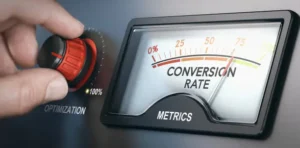
  • Conversion Rate: The percentage of landing page visitors who fill out your form. Aim for 10% to 20% on targeted landing pages.
  • Cost Per Lead (CPL): Total marketing spend divided by the number of leads generated. This determines the financial viability of your paid campaigns.
  • Lead-to-Opportunity Ratio: The percentage of raw leads that turn into genuine sales conversations. Low numbers suggest poor targeting.
  • Customer Acquisition Cost (CAC): The total cost of sales and marketing required to acquire a single paying customer.
Future Trends in Lead Generation
The landscape changes rapidly as technology evolves. Keep an eye on these shifting trends to maintain a competitive edge.
  • AI-Driven Personalization: Static email templates are losing effectiveness. Systems now use AI to analyze user behavior and dynamically rewrite email copy and landing page headers for individual users.
  • Interactive Content: Static e-books are giving way to interactive tools. Quizzes, assessments, and ROI calculators see significantly higher engagement and conversion rates.
  • Privacy-First Data Collection: With stricter data regulations and the deprecation of third-party cookies, businesses must rely on first-party data. Building direct relationships through opt-in email lists is more valuable than ever.
Choosing the Right Path
There is no one-size-fits-all solution. Small businesses with limited budgets should start by building a strong organic inbound foundation using a CRM like HubSpot Free or Active Campaign, driving traffic via SEO and social media. Enterprise B2B organizations will find faster success by combining ZoomInfo or Apollo with an aggressive outbound LinkedIn and email strategy.
Focus on mastering one traffic source and one conversion system before expanding into new channels. Consistency and data-driven optimization are the real keys to scaling your pipeline.

The best lead generation system for most businesses in 2026 is a multi-channel automated funnel that pairs inbound content marketing with AI-driven outbound prospecting. While software tools form the backbone of this strategy, a truly successful system combines data collection, lead nurturing, and seamless customer relationship management (CRM) integration to turn cold traffic into qualified buyers.
Choosing the right approach depends on your target audience, industry, and budget. This guide breaks down the top systems, essential features, and step-by-step strategies to build a high-converting machine.
Optimize Your Website for Leads Blogging B2B Instagram Meta AILead generation
Optimize Your Website for Leads Blogging B2B Instagram Meta AI
Lead generation
What is a Lead Generation System?
A lead generation system is a structured framework that attracts prospective customers and captures their contact information. It is not just a single tool. It is an interconnected ecosystem of marketing channels, landing pages, forms, and automation sequences working together.
An effective system serves three primary functions:
  • Attracts high-quality traffic to your brand.
  • Captures visitor data using value-driven incentives.
  • Nurtures prospects through targeted communication until they are ready to buy.
Inbound vs. Outbound Lead Generation Systems
Most high-performing businesses use a hybrid model, but understanding the two core methodologies helps you allocate your budget effectively.

Feature Inbound Lead Generation Outbound Lead Generation
Core Approach Pulls prospects in naturally Directly reaches out to prospects
Primary Channels SEO, blogging, social media, YouTube Cold email, LinkedIn outreach, cold calling
Cost Structure Higher upfront time/cost, scales cheaply Immediate ad/tool costs, scales linearly
Time to Results Long-term (3 to 6 months) Short-term (Days to weeks)
Lead Intent High (They are searching for you) Variable (Requires careful targeting)


Core Components of a High-Converting System
To build a framework that consistently fills your sales pipeline, your system must include these four foundational pillars.
1. Lead Generation Software and CRM
Your software stack is the engine of your operation. A centralized platform tracks user behavior, stores contact records, and triggers automated follow-ups. Popular foundational platforms include Hubspot, Salesforce, and Active Campaign.
2. High-Converting Landing Pages
A landing page is a standalone web page designed for a single objective: getting the visitor to take action. It removes distracting navigation menus and focuses entirely on the offer.
3. Compelling Lead Magnets
People rarely give away their email addresses for free. You must trade value for information. Effective lead magnets include:
  • E-books and whitepapers
  • Proprietary industry reports
  • Free software trials or tools
  • Templates and checklists
  • Webinars and video courses
4. Automated Nurture Sequences
Most leads are not ready to purchase immediately. An automated email sequence educates prospects, builds trust, and gently guides them toward a buying decision over time.
Best Lead Generation Systems by Category
All-in-One Marketing Platforms
These suites manage your website, email marketing, landing pages, and sales data under one roof.
  • HubSpot: The industry gold standard for inbound marketing, offering powerful automation and deep analytics.
  • Active Campaign: Exceptional for businesses focused on advanced email marketing automation and customer behavior tracking.
  • Keap: Designed specifically for small businesses needing CRM functionality paired with simple e-commerce tools.
B2B Data and Outbound Prospecting Systems
If you sell to other businesses, you need accurate data systems to find and contact decision-makers.
  • Apollo.io: An all-in-one outbound platform providing a massive B2B database, email sequencing, and click-to-dial calling.
  • ZoomInfo: The premier enterprise-level database for accurate B2B contact information and intent data.
  • LinkedIn Sales Navigator: The best system for finding, saving, and messaging specific professional profiles directly on LinkedIn.
Paid Advertising Systems
Paid channels provide immediate traffic and predictable scalability if your unit economics are healthy.
  • Google Ads: Captures high-intent users who are actively searching for solutions to their problems.
  • Meta Ads (Facebook & Instagram): Uses advanced demographic and behavioral targeting to introduce your product to new audiences.
  • LinkedIn Ads: The most effective paid system for targeting specific job titles, industries, and company sizes.
Ignite Your Business Growth With Smarter Lead Generation
Optimize Your Website for Leads Blogging B2B Instagram Meta AI
Lead generation
Step-by-Step Guide to Building Your Lead Machine
Step 1: Define Your Ideal Customer Profile (ICP)
Before buying tools or writing copy, identify exactly who you want to attract. Document their job titles, industry, company size, pain points, and preferred online platforms.
Step 2: Build a Value-Driven Lead Magnet
Create an asset that solves a specific, immediate problem for your ICP. Ensure it is easy to consume and delivers obvious value within the first five minutes of opening.
Step 3: Design an Optimized Capture Page
Keep your landing page simple. Use a compelling headline, outline three to five bulleted benefits of your lead magnet, and keep your form fields to a minimum. Asking only for a first name and email address will maximize conversion rates.
Step 4: Launch Targeted Traffic Campaigns
Drive visitors to your landing page using a mix of short-term and long-term strategies. Use paid ads or direct outreach for immediate data, while building out SEO blog posts to secure free, organic traffic over time.
Step 5: Implement the 5-Day Nurture Sequence
Once a user downloads your lead magnet, trigger an automated five-day email sequence:
  • Day 1: Deliver the asset and introduce your brand story.
  • Day 2: Share a valuable tip related to the lead magnet topic.
  • Day 3: Present a case study or social proof showing client success.
  • Day 4: Highlight the core problem your paid product or service solves.
  • Day 5: Introduce a clear call to action, such as booking a consultation or claiming a discount code.

How To Automate Your Lead Generation Process Without Losing Quality rcmleads

Essential Metrics to Track Lead Generation

A system is only as good as its data. Monitor these key performance indicators (KPIs) weekly to optimize your funnel performance.
  • Conversion Rate: The percentage of landing page visitors who fill out your form. Aim for 10% to 20% on targeted landing pages.
  • Cost Per Lead (CPL): Total marketing spend divided by the number of leads generated. This determines the financial viability of your paid campaigns.
  • Lead-to-Opportunity Ratio: The percentage of raw leads that turn into genuine sales conversations. Low numbers suggest poor targeting.
  • Customer Acquisition Cost (CAC): The total cost of sales and marketing required to acquire a single paying customer.
Future Trends in Lead Generation
The landscape changes rapidly as technology evolves. Keep an eye on these shifting trends to maintain a competitive edge.
  • AI-Driven Personalization: Static email templates are losing effectiveness. Systems now use AI to analyze user behavior and dynamically rewrite email copy and landing page headers for individual users.
  • Interactive Content: Static e-books are giving way to interactive tools. Quizzes, assessments, and ROI calculators see significantly higher engagement and conversion rates.
  • Privacy-First Data Collection: With stricter data regulations and the deprecation of third-party cookies, businesses must rely on first-party data. Building direct relationships through opt-in email lists is more valuable than ever.
Choosing the Right Path
There is no one-size-fits-all solution. Small businesses with limited budgets should start by building a strong organic inbound foundation using a CRM like HubSpot Free or Active Campaign, driving traffic via SEO and social media. Enterprise B2B organizations will find faster success by combining ZoomInfo or Apollo with an aggressive outbound LinkedIn and email strategy.
Focus on mastering one traffic source and one conversion system before expanding into new channels. Consistency and data-driven optimization are the real keys to scaling your pipeline.

More from author

LEAVE A REPLY

Please enter your comment!
Please enter your name here

Related posts

Advertisment spot_img

Latest posts

Top Tips for Boosting Instagram Engagement Proven 2

Top Tips for Boosting Instagram Engagement Proven 2 Ignite Your Instagram Success Instagram engagement is the lifeblood of a thriving online presence, unlocking opportunities for brands...

The Mistake— Avoidance: “5 Common CRM Mistakes That Cost You Sales”

CRM software is very helpful in managing the sales process. It organizes customer information. Helps you track sales activity as well. Some companies enter...

LinkedIn Prospecting: How to Generate B2B Leads Without Being Spammy

This is about sourcing leads through LinkedIn, which works great for B2B companies. LinkEnd enables you to reach out to business owners, founders, managers,...

Want to stay up to date with the latest news?

We would love to hear from you! Please fill in your details and we will stay in touch. It's that simple!