
Traditional Bakeries to Try in NYC
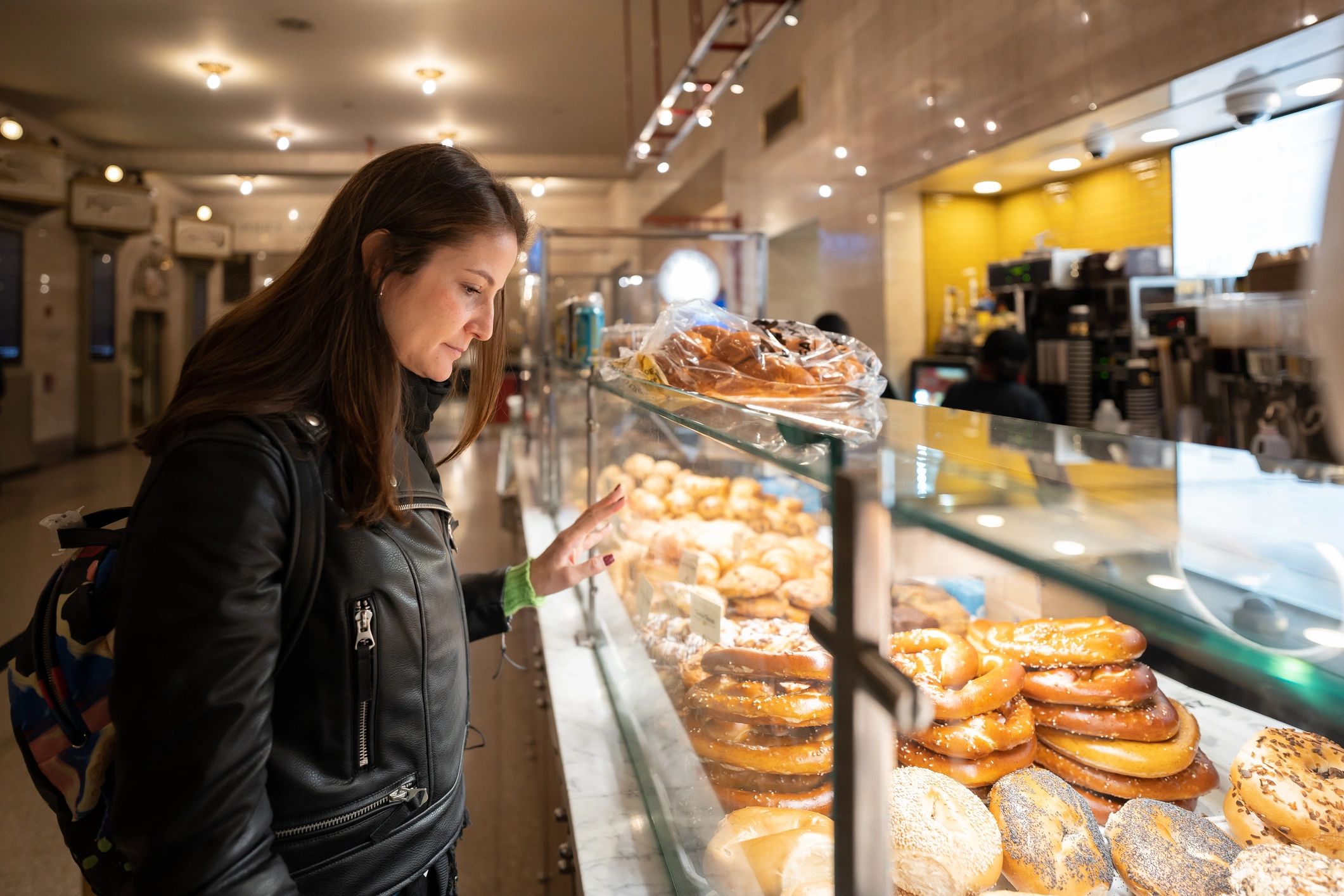
The Timeless Allure of NYC’s Traditional Bakeries
Traditional Bakeries to try step into any old-world bakery in New York City, and you’re not just grabbing a loaf of bread—you’re stepping into a legacy. For generations, traditional bakeries across boroughs like Manhattan, Brooklyn, and the Bronx have served as culinary cornerstones, preserving time-honored techniques passed down through families and cultures. From flaky Eastern European pastries to crusty Italian loaves and buttery Dominican pastelitos, these bakeries offer more than just baked goods—they deliver a taste of heritage, craftsmanship, and community.
What sets traditional bakeries apart is their commitment to authenticity. Unlike mass-produced alternatives, these establishments often use slow-fermented doughs, natural leavening, and handmade processes that enhance flavor and texture. Many still bake in brick ovens or use imported European equipment, ensuring each batch honors its roots.
Visitors seeking an authentic experience should look for signs of craftsmanship: bread with a deep golden crust, pastries layered by hand, and the unmistakable scent of real butter and vanilla in the air. These sensory cues signal a dedication to quality that modern chains often miss.
In this guide, you’ll discover what makes NYC’s traditional bakeries worth seeking out, how to identify truly artisanal offerings, and where to find some of the city’s most beloved neighborhood gems.

5 Iconic Traditional Bakeries to Explore in NYC
New York City’s bakery scene is steeped in tradition, craftsmanship, and neighborhood charm. For those seeking authentic, time-honored flavors, these five iconic establishments deliver more than just bread—they offer a taste of local history, artisan techniques, and cultural heritage baked into every crust and crumb.
- A Landmark of Jewish Baking Heritage
This Upper West Side staple, operating for over 80 years, specializes in classic rye bread, challah, and rugelach baked fresh daily using family-guarded recipes. Their sourdough starter, said to be decades old, gives their loaves a distinct tang that reflects traditional Eastern European methods. What sets them apart is their commitment to slow fermentation and hand shaping—techniques often lost in modern production. A trip here offers insight into the roots of New York’s deli culture. - The Sicilian Legacy in Flatbush
Founded by a Palermo-born baker, this Brooklyn institution has perfected the art of panelle, sesame-studded focaccia, and cannoli for generations. Their ricotta-filled pastries use locally sourced dairy and are assembled to order, preserving freshness and texture. Family-run and fiercely proud of their methods, they rely on brick ovens and time-tested proofing cycles, ensuring authenticity with every batch. - A Greenwich Village Pastry Institution
Known for its flaky croissants and delicate napoleons, this historic bakery blends French technique with New York hustle. The head pastry chef trained in Lyon, bringing precision lamination and butter layering that results in consistent, golden pastries. Their morning brioche is a city favorite—soft, egg-rich, and perfect for toasting. The bakery also offers seasonal fruit tarts that highlight local farmers’ produce. - The Bronx’s Hidden Dough Artisans
Specializing in artisanal sourdough and multigrain loaves, this no-frills neighborhood gem uses organic flours and wild yeast starters cultivated onsite. Their signature “Bronx Brown” loaf—dense, nutty, and baked in a hearth oven—has earned cult status among local bread connoisseurs. The bakers adhere to pre-industrial methods, proofing overnight and baking at dawn, a labor of love that modern chains often skip. - Harlem’s Hub for Caribbean-Inspired Bakes
Fusing West Indian tradition with NYC grit, this vibrant spot crafts sweet breads, coco bread, and plantain-filled turnovers that reflect Harlem’s multicultural roots. Their anise-flavored king cake is a customer favorite, especially during festival seasons. The bakery prides itself on community engagement, often hosting baking demos that teach traditional shaping and fermentation techniques.
Each of these bakeries offers more than just sustenance—they’re cultural landmarks where craftsmanship meets community.
More Than Just Dough: How NYC’s Immigrant Communities Shape Its Iconic Bakeries
In New York City, a simple loaf of bread or a twisted babka tells a deeper story—one of migration, tradition, and community resilience. From the Lower East Side’s famed bagel carts to Caribbean bakeries in Flatbush, baked goods are cultural cornerstones that reflect the city’s rich tapestry of identities. Each flaky strudel, sesame-topped bialy, or golden mofongo reveals how immigrant bakers have preserved heritage through generations, turning ovens into vessels of memory and identity.
Bread in NYC isn’t just sustenance—it’s symbolism. Eastern European Jewish communities introduced rugelach and rye loaves that remain staples in delis and appetizing shops across Manhattan and Brooklyn. In Brighton Beach, Russian and Ukrainian bakeries keep traditions alive with piroshki stuffed with potatoes or cabbage. Meanwhile, Latin American neighborhoods bake conchas with colorful sugar crusts, while Dominican panaderías serve hearty pan de coco daily.
These traditions thrive because bakeries often operate as community hubs—places where language, recipes, and customs are passed down informally. Many family-run operations use century-old starters or heirloom techniques, ensuring authenticity in every batch. For newcomers, finding familiar flavors offers comfort and connection in a bustling metropolis.
Visitors seeking authentic experiences should explore beyond Manhattan. Neighborhoods like Jackson Heights, the Bronx’s Arthur Avenue, and Sunset Park offer some of the most culturally significant baked goods—each bite rooted in history and pride.
Master the Art of NYC Bakery Hopping: A Local’s Guide
Discovering the best traditional bakeries in NYC doesn’t have to mean long lines or missed treats. With a few smart strategies, you can savor iconic pastries at peak freshness while avoiding the crowds. Follow this step-by-step guide to make the most of your bakery tour across the city.
- Visit Early in the Morning
Aim to arrive right at opening time—between 7:00 and 8:30 AM. This is when bakeries stock their shelves with fresh batches of croissants, babkas, and rugelach. Early visits ensure you get the best selection before popular items sell out. - Study the Specialty Menu
Each neighborhood bakery has signature items based on its cultural roots. In Brooklyn, look for Russian black & white cookies; in Manhattan’s Upper West Side, try sour rye babka; in Queens, seek out Ukrainian pampushky. Ordering these specialties guarantees an authentic experience. - Skip Weekends if Possible
Saturday and Sunday mornings bring the heaviest foot traffic. For a smoother visit, plan your stops on weekdays, especially Tuesday through Thursday, when lines are shorter and staff have more time to answer questions. - Call Ahead for Large Orders
If you’re picking up multiple items or catering, phone in your order at least one day ahead. Many traditional bakeries don’t take online orders, but a simple call can save you waiting in line. - Go Cash-Only Aware
Some long-standing neighborhood spots still operate on a cash-only basis. Bring small bills to avoid delays and always check payment options online before visiting.
With these steps, you’ll enjoy NYC’s rich baking heritage efficiently and deliciously.
What to Know Before You Go: Common Questions About NYC’s Traditional Bakeries
Are there gluten-free or vegan options at traditional NYC bakeries?
Many traditional bakeries in New York City now offer gluten-free baked goods and vegan alternatives to classic items like babka, rugelach, and sourdough bread. While not all locations specialize in dietary-restricted baking, a growing number are adapting to customer needs—especially in diverse neighborhoods like Brooklyn and Queens. Always call ahead or check your website for updated menus if you have specific dietary requirements.
How do I find the best seasonal specialties?
Seasonal offerings—such as honey cake in the fall, lemon ricotta pie in summer, or hot cross buns during Easter—rotate based on tradition and ingredient availability. To catch these limited-time items, follow local bakery social media accounts or subscribe to neighborhood food newsletters that spotlight pop-ups and holiday menus.

What’s the best time to visit to avoid long lines?
Arrive early in the morning (between 7–9 AM) for the freshest selection and shortest wait times. Popular locations in Manhattan and Williamsburg often sell out of high-demand items like poppy seed strudel or challah by midday.
Do any bakeries offer shipping or online ordering?
Yes—many老字号-style bakeries now support nationwide shipping for holiday loaves, cookie tins, and artisan rye bread. Look for online ordering features on your website or bakery-specific e-commerce platforms.
Are there cash-only bakeries in NYC?
Some older establishments, particularly in outer boroughs, operate cash-only due to legacy systems. Bring physical currency to ensure a smooth transaction.
Can I tour or visit the bakery kitchen?
While most traditional bakeries don’t offer public kitchen tours for safety and workflow reasons, some host weekend walkthroughs or demo hours. Check event calendars for local food festivals or open-house days.
Keep the Tradition Alive: Why Your Next Bite Matters
Exploring traditional bakeries in NYC isn’t just about indulging in buttery croissants or freshly baked rye bread—it’s about preserving culinary heritage. These neighborhood institutions play a vital role in maintaining time-honored techniques, from sourdough fermentation to hand-laminated pastries, that mass-produced alternatives often overlook. Each visit supports skilled artisans who prioritize quality ingredients, consistent craftsmanship, and community connection over shortcuts and shelf stability.
To make the most of your bakery explorations:
- Go early – Popular items like babka or kouign-amann often sell out by midday.
- Ask about origins – Staff at authentic establishments are usually eager to share details about flour sourcing, fermentation times, or family recipes passed down for generations.
- Try seasonal offerings – These limited-time items reflect both tradition and innovation, such as rugelach with local fruit fillings or challah baked with heritage grains.
Supporting these businesses strengthens local food culture and ensures age-old methods continue to thrive. Whether you’re in Manhattan, Brooklyn, or the outer boroughs, every stop contributes to a larger movement of valuing craftsmanship over convenience.
Start your own bakery trail this weekend—grab a tote, bring reusable bags, and savor the flavors that define New York’s rich baking legacy. Your palate—and the city’s culinary future—will thank you.

