


7 GLP-1 Side Effects You Should Know About Proven
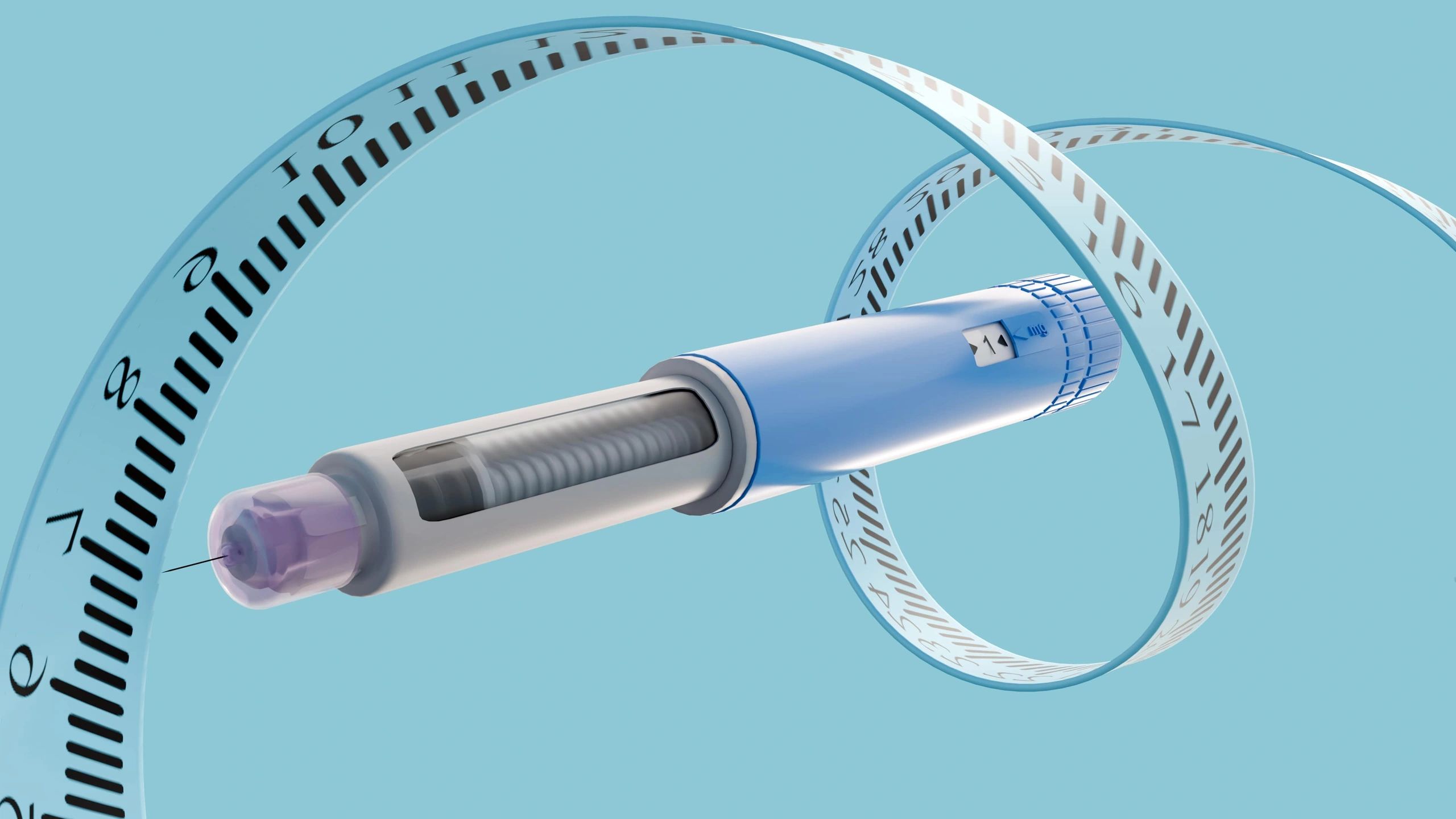
The Rise of GLP-1 Medications: What You Need to Know Before Starting Treatment
GLP-1 receptor agonists have rapidly transformed the landscape of metabolic health, becoming a cornerstone in managing type 2 diabetes and, more recently, obesity. Originally developed to help regulate blood sugar, these medications work by mimicking an incretin hormone that stimulates insulin release, slows gastric emptying, and increases satiety—leading to better glycemic control and, for many, significant weight loss. As their use expands across urban centers like Durham, NC, and nationwide, more individuals are exploring them as part of a comprehensive health strategy.
While the benefits are well-documented, it’s equally important to understand the potential side effects that can accompany treatment. From mild digestive discomfort to more serious complications, side effects vary in type and intensity. This guide will walk you through six common GLP-1 side effects, helping you recognize early signs, manage symptoms, and make informed decisions in collaboration with your healthcare provider.
You’ll learn how to differentiate between temporary adjustments and warning signs that require medical attention, practical tips for minimizing discomfort, and how lifestyle factors may influence your experience. By the end, you’ll be better equipped to navigate treatment with confidence and clarity.
The First Three Common GLP-1 Side Effects Explained
Understanding potential side effects is a critical step in making informed health decisions—especially when starting GLP-1 medications. While many people tolerate these treatments well, the first three side effects tend to appear most frequently during the initial phase of therapy. Knowing what to expect can help you manage symptoms proactively and stay on track with your wellness goals.
- Nausea: The Most Frequently Reported Symptom
Nausea is often the first side effect experienced, particularly as your body adjusts to the medication. It typically occurs shortly after dosing and may be worse with meals. Starting at a low dose and gradually titrating upward helps minimize discomfort. Eating smaller, low-fat meals and staying hydrated can also ease symptoms. For many patients in Durham, NC and beyond, nausea tends to subside within a few weeks. - Diarrhea: A Digestive Disruption
Some individuals experience loose stools or increased bowel movements, which can affect daily routines. This side effect stems from GLP-1’s influence on gastrointestinal motility. To manage it, consider reducing dietary irritants like caffeine and spicy foods, and focus on soluble fiber sources such as oats and bananas. Most cases are mild and resolve without medical intervention. - Constipation: Slowed Gut Activity
Paradoxically, while some face diarrhea, others struggle with constipation due to delayed gastric emptying. This can cause bloating and discomfort. Increasing water intake, adding gentle movement like walking, and incorporating fiber-rich vegetables may support regularity. If symptoms persist, consult your healthcare provider to adjust your plan appropriately.
3 More GLP-1 Side Effects You Shouldn’t Ignore
While many are familiar with the common gastrointestinal effects of GLP-1 receptor agonists, several lesser-known yet significant side effects deserve attention—especially for long-term users managing conditions like type 2 diabetes or obesity. Understanding these ensures better decision-making and improved treatment adherence.

1. Risk of Gallbladder Issues, Including Cholelithiasis
GLP-1 medications may increase the likelihood of gallbladder disease, including gallstones (cholelithiasis). Slowed digestion and rapid weight loss—both common with these treatments—can contribute to bile stasis and crystal formation. Symptoms like sharp right-sided abdominal pain, nausea after meals, or fever warrant prompt medical evaluation. Patients in Raleigh, Durham, and surrounding North Carolina regions should seek care quickly, as localized providers are well-equipped to diagnose and manage such complications.
2. Potential Kidney Function Changes
Dehydration from GI side effects like vomiting or diarrhea can impact kidney performance, particularly in those with preexisting conditions. Monitoring urine output, staying hydrated, and routine blood work help mitigate risk. North Carolina clinicians often recommend regular renal panels for patients on long-term GLP-1 therapy, especially those with hypertension or diabetes-related nephropathy.
3. Rare but Serious Risk of Retinopathy Complications
Though uncommon, rapid improvements in blood glucose can unmask preexisting diabetic retinopathy or accelerate vision changes. Patients should schedule annual eye exams and report any sudden vision changes immediately. Eye care providers across Durham, NC, and周边 areas emphasize proactive screening to prevent long-term damage.
How to Effectively Manage GLP-1 Side Effects: A Step-by-Step Guide
Dealing with side effects from GLP-1 medications is common, but with the right approach, you can reduce discomfort and stay on track with your treatment goals. Follow these practical steps to proactively manage and minimize adverse reactions.
- Start Low, Go Slow
Begin with the lowest dose prescribed and gradually increase as directed. This allows your body to adjust and often reduces the severity of gastrointestinal symptoms like nausea or diarrhea. Rushing dose escalation is a common trigger for intolerance. - Stay Hydrated and Eat Smart
Drink plenty of fluids throughout the day, especially if experiencing vomiting or diarrhea. Opt for small, frequent meals that are low in fat and spice. Avoid large, greasy meals that can worsen nausea and delay gastric emptying. - Time Your Dose Wisely
Take your medication at a consistent time each day—typically in the evening—so side effects don’t interfere with daily activities. Some find nighttime dosing helps symptoms subside by morning. - Monitor and Track Symptoms
Keep a daily journal of symptoms, diet, and medication timing. Noting patterns helps you and your care team make informed adjustments and identify triggers. - Communicate with Your Provider
If side effects persist beyond a few weeks or become severe, contact your healthcare provider. They may recommend a dose pause, adjustment, or additional support strategies tailored to your needs.
Consistency and patience are key—most side effects improve over time with proper management.
Your Guide to Navigating GLP-1 Side Effects: Common Questions Answered
How long do GLP-1 side effects typically last?
Most patients experience mild to moderate side effects during the initial weeks of treatment, with gastrointestinal symptoms like nausea, diarrhea, or constipation peaking early and gradually improving. As your body adjusts to the medication, these effects often diminish within 4–8 weeks. Staying hydrated, eating smaller meals, and slowly increasing dosage as directed can ease this transition.
Are GLP-1 side effects dangerous or just uncomfortable?
While most side effects are temporary and manageable, some can indicate more serious concerns. Mild nausea or fatigue is common, but persistent vomiting, severe abdominal pain, or signs of dehydration warrant medical attention. It’s important to differentiate between expected discomfort and symptoms that may signal pancreatitis, gallbladder disease, or kidney issues.
When should I contact a healthcare provider about side effects?
Seek medical advice if you experience:
- Severe or prolonged vomiting or diarrhea
- Inability to keep food or fluids down
- Symptoms of hypoglycemia (especially if on other diabetes medications)
- Rapid heartbeat or dizziness
- Signs of allergic reaction (rash, swelling, difficulty breathing)
Can diet help reduce GLP-1 side effects?
Yes—eating smaller, low-fat, low-spice meals can reduce digestive discomfort. Avoiding high-sugar foods and alcohol may also minimize nausea. Incorporating gentle fiber sources and staying well-hydrated supports gut health during adjustment.

Is weight loss a side effect or a primary goal?
Weight reduction is a common and often beneficial outcome of GLP-1 therapy, particularly for those managing type 2 diabetes or obesity. However, unintentional or rapid weight loss should be monitored by a provider to ensure it’s safe and sustainable.
Stay Informed, Stay Empowered: Navigating GLP-1 Therapy with Confidence
Understanding the potential side effects of GLP-1 medications is a critical step in making informed health decisions. While these treatments offer meaningful benefits—like improved glycemic control, weight management, and cardiovascular risk reduction—being aware of common and rare side effects ensures you can use them safely and effectively. From gastrointestinal discomfort to less frequent but serious concerns, knowledge empowers you to take proactive steps in managing your health journey.
Key points to remember:
- Monitor your body’s response: Early side effects like nausea or bloating often subside over time.
- Communicate with your care team: Open dialogue helps tailor treatment plans and address concerns before they escalate.
- Stay consistent with medical guidance: Never adjust dosage or discontinue use without professional input.
Taking control of your health means balancing benefits with awareness. If you’re on a GLP-1 regimen or considering one, keep a symptom journal, follow medical advice, and stay updated on how your body responds. For those in Durham, NC, and surrounding areas, local healthcare providers can offer personalized support grounded in current clinical understanding. Let education be your foundation—by staying informed, you maximize results and minimize risks. Your journey to better metabolic health starts with smart, confident choices.