
Understanding the Strait of Hormuz
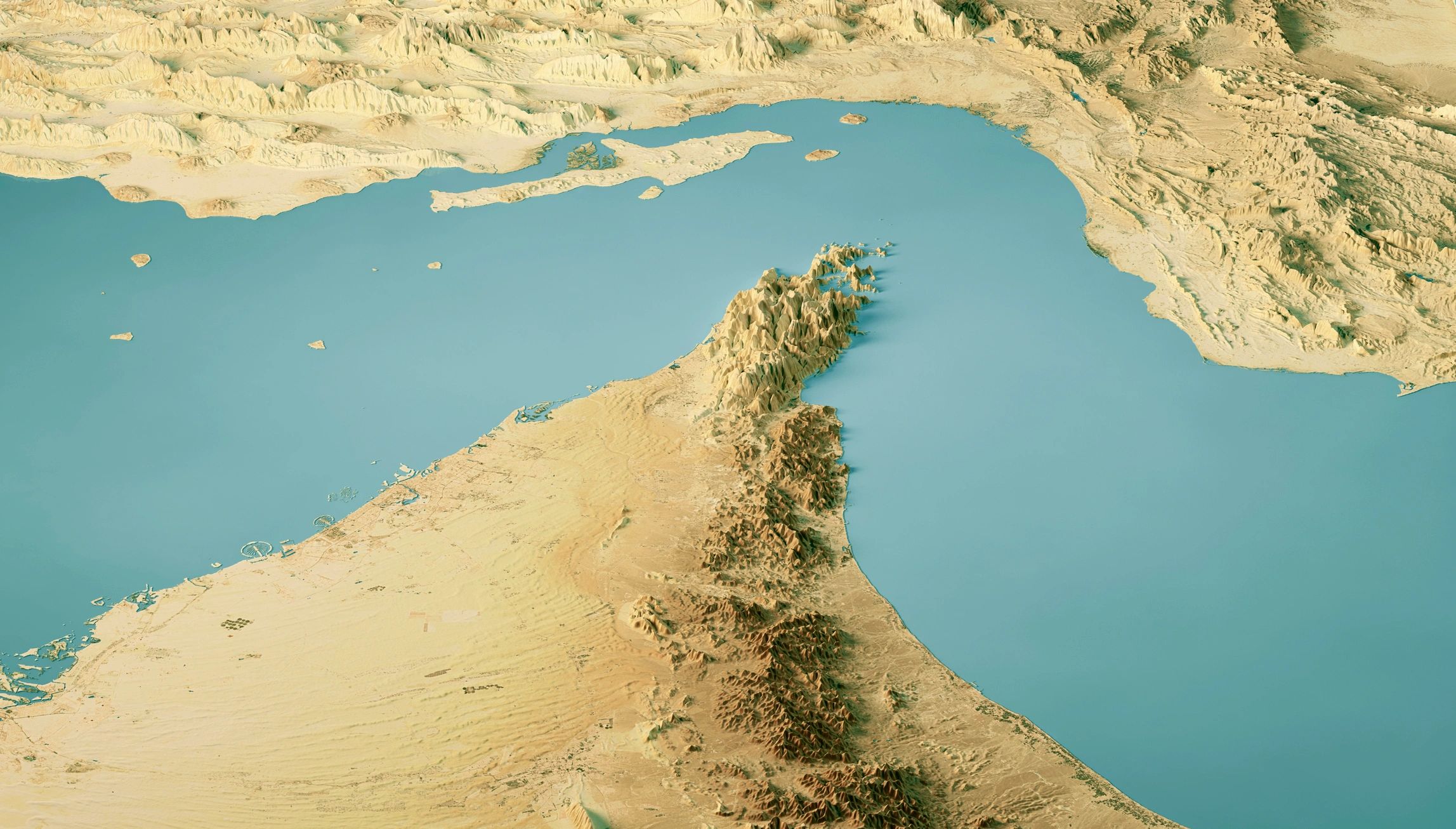
Gateway to Global Influence
Hormuz
The narrow passage connecting the Arabian Gulf to the open sea is more than just a body of water—it’s a pivotal corridor for international commerce and strategic maneuvering. Stretching between critical regional powers, this waterway underpins a vast share of global oil shipments and maritime trade, making it an essential focus for geopolitical strategists and economic planners alike.
This introduction sets the stage for understanding not only the geographic layout of the strait but also its dual role as a commercial lifeline and political flashpoint. In this guide, you will learn how the strait’s unique positioning factors into:
- Supply chain vulnerabilities in international energy markets
- Strategic military deployments intended to secure maritime passage
- Regional dynamics that influence global trade flows
As you dive deeper into the how-to aspects of managing these challenges and opportunities, you’ll gain insights into practical approaches for mitigating risks while enhancing security. Whether you’re analyzing maritime logistics or strategizing on diplomatic engagements, this section provides a valuable starting point for tackling common industry challenges related to this internationally significant corridor.
Navigating a Strategic Maritime Gateway
The Strait of Hormuz is a striking example of nature’s design meeting human ingenuity. Nestled between Iran and Oman, this narrow waterway serves as the critical link between the Persian Gulf and the Gulf of Oman. Its unique physical characteristics—shifting sandbanks, variable depths, and strong tidal currents—make navigation both challenging and fascinating for maritime operators. The surrounding coastal regions provide a rich tapestry of cultural histories and strategic importance, which contribute to its reputation as a global chokepoint in energy transportation.
To master the complexities of this passage, consider these practical insights:
- Shoreline Influences: Recognize how coastal formations influence current patterns and navigation.
- Tracking Natural Features: Identify natural landmarks and shallow areas that require cautious maneuvering.
- Historical Context: Appreciate the long-standing strategic and commercial roles this strait has played in regional dynamics.
- Operational Precision: Employ detailed charts and real-time monitoring to manage sailing risks effectively.
These considerations not only assist in understanding the Strait’s dynamic environment but also guide mariners and logistics planners in addressing operational challenges. Whether planning a maritime journey or studying global trade routes, grasping the distinctive elements of the Strait of Hormuz is essential for success.

Economic Lifeline: Unraveling the Strait’s Global Impact
The strategic waterway plays a pivotal role in the world’s energy dynamics, serving as a vital conduit for oil trade and maritime commerce. Stretching between key oil-producing nations, the Strait of Hormuz channels a significant portion of global hydrocarbon shipments, directly influencing fuel prices and economic stability across multiple regions. Global shipping routes converge in this narrow passage, making it a hotspot for international trade and a linchpin in supply chain logistics.
Key points to consider include:
- Oil Trade Dependency: Many countries rely on the uninterrupted flow of crude oil that passes through these waters, highlighting the strait’s role as an economic shock absorber during geopolitical tensions.
- Maritime Efficiency: The efficiency of global shipping, from bulk carriers to tankers, is heavily dependent on the stability of this trade corridor.
- Economic Ripple Effects: Fluctuations in the strait’s operation can trigger broader economic implications, affecting everything from commodity prices to regional employment.
Understanding these factors is crucial for stakeholders seeking to navigate the complexities of international markets and secure a stable economic future amid ever-changing global conditions.
Unraveling Historical Conflicts and Political Tensions
The strategic significance of the Strait of Hormuz has long been a catalyst for historical conflicts and enduring political tensions that resonate globally. Over the centuries, this narrow passage has witnessed power struggles as regional forces have sought to control critical shipping lanes, directly influencing international trade and security dynamics. Today, understanding these events is crucial for industry professionals who rely on secure trading routes and stable geopolitical climates.
Key historical insights include:
- Regional Power Struggles: Various empires and state actors have contested control over these vital waters, leading to intermittent conflicts.
- Evolving Security Paradigms: Shifts in local governance and alliances have reshaped the strategic landscape, impacting modern naval strategies.
- Impact on Trade: Political instability in the region can disrupt international supply chains, underscoring the need for contingency planning.
By delving into this historical context, businesses can better appreciate the complex interplay between geopolitics and global commerce. This awareness not only informs risk management strategies but also highlights practical guidance for navigating potential disruptions in key maritime corridors.
Navigating Geopolitical Challenges in Strategic Waterways
In today’s shifting global landscape, understanding the intricate dynamics around strategic chokepoints is essential. In the region surrounding the Strait, decision-makers and industry professionals are often confronted with complex negotiations, fluctuating alliances, and evolving conflicts. This guide section breaks down actionable insights into the key elements affecting oil transportation and regional stability.
Key considerations include:
- Regional Power Influences: Major geopolitical players continue to leverage economic and military strengths to shape the balance of power.
- Negotiation Tactics: Ongoing dialogue centers on reshaping trade routes, ensuring maritime security, and managing energy supply chains.
- Conflict-Driven Challenges: Frequent disputes and sporadic confrontations impact shipping lanes and global market confidence.
By incorporating these strategic approaches, businesses can better navigate the challenges posed by this dynamic environment. Focusing on practical, actionable advice—such as risk assessments and contingency planning—allows you to prepare for economic uncertainties. This section encourages leveraging localized insights and industry-standard practices to guide decision-making processes, ensuring that both local and international stakeholders remain informed and adaptable to emerging trends in this critical region.

What makes the Strait of Hormuz strategically essential?
The economic and geopolitical significance of this narrow waterway cannot be underestimated. It serves as a gateway between the Persian Gulf and the open ocean, allowing oil and gas shipments to move to global markets. This strategic position makes the region a frequent topic of discussion, with many misconceptions about its impact on energy security. Clarifying these points can help foster a better understanding of its role in international trade and regional stability.
How does maritime traffic navigate through the strait?
Ships traverse the Strait of Hormuz using established convoy routes and navigational protocols. International bodies and naval forces monitor vessel traffic to ensure a smooth flow, mitigating risks associated with piracy and regional tensions. This coordinated effort ensures that trade disruptions remain minimal despite occasional geopolitical challenges.
Are there environmental concerns in the region?
Yes, environmental issues such as oil spills and water pollution are a concern. Authorities and shipping companies work together to adopt safety measures, including rigorous vessel inspections and emergency response plans, to protect marine life and coastal regions.
What security measures are enforced here?
Maritime patrols and joint regional exercises are common, ensuring that any potential threats are swiftly addressed. Enhanced surveillance and coordinated communication among naval forces contribute to maintaining a balance between open trade and regional security.
How do regional conflicts influence operations in the strait?
Regional disputes often lead to heightened security measures and temporary rerouting of maritime traffic. Despite these challenges, a combination of diplomatic and military strategies helps minimize disruptions, ensuring that global energy supplies remain largely unaffected.
Wrapping Up with Strategic Clarity
Concluding this exploration, it’s clear that the Strait of Hormuz continues to command global attention due to its critical economic and geopolitical importance. By understanding its evolving dynamics, you gain valuable insights for navigating complex regional challenges. The discussion has highlighted several key points:
- Strategic Significance: Recognize the role of the strait in global energy security and trade flows.
- Geopolitical Shifts: Stay informed about emerging trends and regional power adjustments.
- Operational Considerations: Evaluate the practical steps needed to secure logistics and manage risks.
Moving forward, actionable steps include closely monitoring regional developments, enhancing contingency planning, and continually reassessing local impacts. For those addressing industry-specific concerns, integrating local search insights—such as trends in Durham, NC—can provide a competitive edge. This thorough analysis not only reinforces the critical value of strategic planning but also empowers decision-makers to optimize operations in a dynamic environment.
Embrace the continuous journey of learning and adaptation. Keep pushing for clarity, efficiency, and innovation, and remember that each step taken towards understanding these global trends is a step towards a more secure and prosperous future.

